

ハイブリッド開催 Methodology of Human Development: Interrogating the Border between Human and AI 人間形成のメソドロジー:人とAIの境界を問い直す



Session Info
How can domestic educational activities embedded in social and cultural systems address the educational challenges we face today in the context of globalization? This question will be revisited in the context of educational implementations that inevitably draw attention to the boundary between humans and AI, such as the use of generative AI in education and the introduction of computational thinking. Keynote speakers provide new perspectives, on the use of generative AI in education. Furthermore, we will explore the possibilities and limitations of future research into educational phenomena arising from globalization through three case studies: 1) Research that aims to empower individuals such as immigrant youth in Japan and the US through participatory action research that produces democratic knowledge; 2) Research that clarified the mechanisms behind the localization of Japan's unique special activities (Tokkatsu) introduced and implemented in Egypt through EDU-Port Japan. 3) A study that clarifies the reading comprehension process of English language learners using eye tracking and clarifies the differences and similarities between reading comprehension by humans and AI using a corpus that systematically organizes the data.
社会・文化的なシステムに埋め込まれたDomesticな教育活動は,今日的なグローバル展開の中で直面する教育課題にいかに対峙しうるか.この問いを,生成AIの教育利用やComputational Thinkingの導入のように,人間とAIの境界を意識せざるを得ない社会実装の場面で問い直す.教育における生成AI活用研究の若手トップランナーと,教育コミュニティの語彙システム(レキシコン)・AI活用の研究者を基調講演者に招待し新しい展望を確認する.また,グローバル展開の中で派生した教育事象について,3つの研究事例から,今後の研究の可能性と限界を探る.1) 民主的な「知」の産出を目指す参加型アクションリサーチにより,日米移民の若者などの当事者のエンパワメントを目指す研究(徳永).2) 日本固有の特別活動(Tokkatsu)をEDU-Port Japanにより海外展開し,エジプトで導入・実施した現地化のメカニズムを解明した研究(京免).3) 英語学習者の文章読解プロセスを視線計測 (Eye tracking) で解明し,データを体系的に整理したコーパスにより,人とAIによる読解の異同を明らかにする研究(名畑目).
スピーカー
-
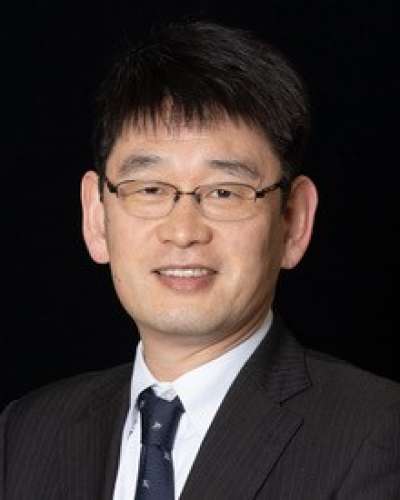 Noro FumiyukiDean, Institute of Human Sciences 人間系系長
 -
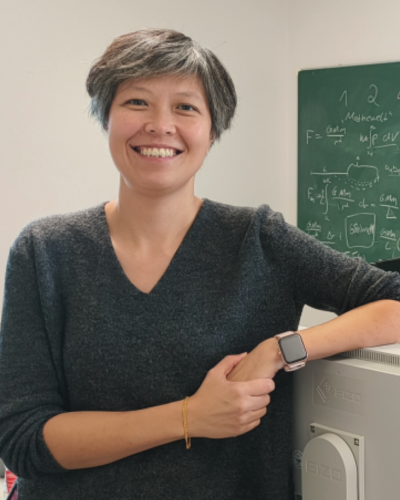 Oi-Lam NgAssociate Professor, The Chinese University of Hong Kong
 -
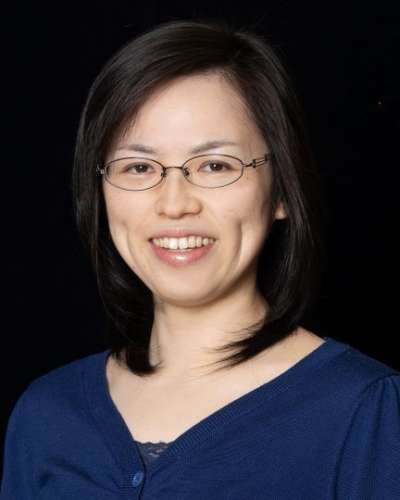 Tomoko TokunagaAssociate Professor, University of Tsukuba
 -
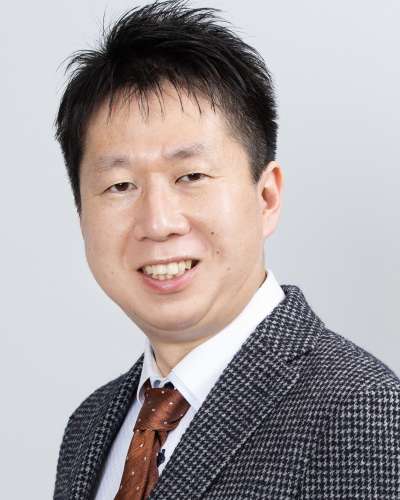 Tetsuo KyomenAssociate Professor, University of Tsukuba
 -
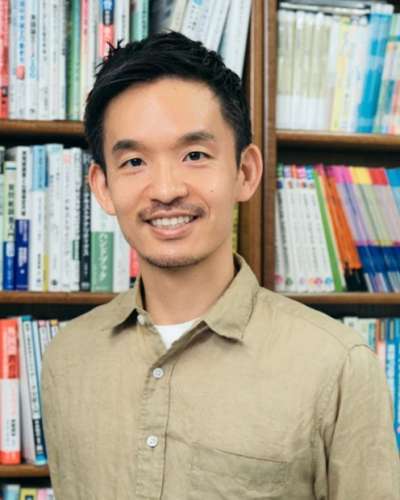 Shingo NahatameAssistant Professor, University of Tsukuba
Time Table
| 時刻Time | タイトルTitle | スピーカーSpeaker | 所属Affiliation |
|---|---|---|---|
| 14:00 - 14:05 | Greetings ご挨拶 | Noro Fumiyuki 野呂文行 | Institute of Human Sciences 筑波大学人間系 |
| 14:05 - 14:10 | Introduction to the session 趣旨説明 | Yoshinori Shimizu 清水美憲 | Institute of Human Sciences 筑波大学人間系 |
| 14:10 - 14:50 | Integrating AI-Literacy and Computational Thinking in Mathematics Education: Implications for Human-machine Collaboration Integrating AI-Literacy and Computational Thinking in Mathematics Education: Implications for Human-machine Collaboration | Oi-Lam Ng Oi-Lam Ng | The Chinese University of Hong Kong The Chinese University of Hong Kong |
| 14:50 - 15:10 | Who Produces Knowledge in the Age of AI?: Participatory Action Research with Immigrant Youth Who Produces Knowledge in the Age of AI?: Participatory Action Research with Immigrant Youth | Tomoko Tokunaga 徳永智子 | University of Tsukuba 筑波大学人間系 |
| 15:10 - 15:30 | Tokkatsu Beyond Borders: Reimagining Japanese model for holistic development in Egypt. Tokkatsu Beyond Borders: Reimagining Japanese model for holistic development in Egypt. | Tetsuo Kyomen 京免徹雄 | University of Tsukuba 筑波大学人間系 |
| 15:30 - 15:50 | The same text, different readers, different difficulty. What can AI capture—and what does it miss? The same text, different readers, different difficulty. What can AI capture—and what does it miss? | Shingo Nahatame 名畑目真吾 | University of Tsukuba 筑波大学人間系 |
| 15:50 - 16:30 | General Discussion General Discussion | Kotaro Komatsu & Yoshinori Shimizu: Facilitator 小松孝太郎&清水美憲(司会) | University of Tsukuba 筑波大学人間系 |